 By Lee Eugene
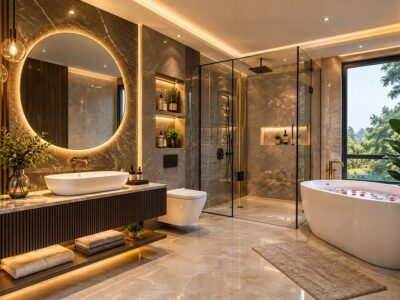
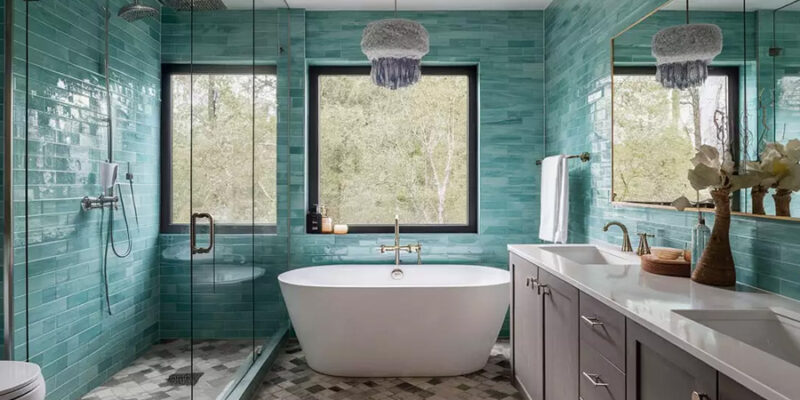
Bathrooms are no longer just functional spaces—they’ve evolved into wellness sanctuaries that reflect our lifestyles, health priorities, and environmental awareness. The next generation of bathroom design is being defined by smart technologies, biophilic principles, and sustainable materials that blend luxury with responsibility. This evolution goes far beyond aesthetics; it’s about creating an ecosystem that nurtures both the body and the planet.
The Rise of Wellness-Oriented Bathroom Design
Modern homeowners are increasingly viewing the bathroom as a personal retreat for restoration. This shift is driving innovations that cater to physical and mental wellness.
Hydrotherapy and Thermal Balance
Advanced hydrotherapy systems are transforming showers and bathtubs into tools for physical therapy and relaxation. Features such as:
-
Temperature cycling (hot-cold contrast therapy)
-
Targeted pressure jets for muscle recovery
-
Micro-bubble baths that oxygenate the skin
These technologies mimic spa treatments, stimulating circulation and easing tension. Moreover, thermostatic controls now maintain precise water temperatures, ensuring comfort and energy efficiency simultaneously.
Chromotherapy and Aromatherapy Integration
Chromotherapy—the use of colored LED lighting—has entered high-end bathrooms to enhance mood. For instance:
-
Blue and green lights encourage calm and focus.
-
Red and amber hues stimulate warmth and energy.
Pairing this with built-in aromatherapy diffusers creates a multisensory experience, turning everyday routines into mindful rituals that reduce stress and elevate mood.
Intelligent Bathrooms: The Age of Smart Sanitation
The integration of IoT (Internet of Things) has revolutionized how we interact with bathroom fixtures. Smart bathrooms merge convenience with hygiene and data-driven insights.
Touchless Technology and Hygiene Automation
The pandemic era accelerated interest in touch-free solutions. Motion-activated faucets, self-cleaning toilets, and automatic soap dispensers have become standard in premium designs. However, innovation now goes deeper:
-
UV-C sterilization lights sanitize toilet bowls after each use.
-
Antimicrobial surfaces in sinks and handles inhibit bacterial growth.
-
Self-deodorizing systems neutralize odors through active filtration.
These technologies not only enhance hygiene but also reduce water and cleaning product waste.
Smart Toilets: The New Centerpiece
The modern toilet has become a symbol of technological luxury. Beyond heated seats and bidet functions, today’s smart toilets include:
-
Health monitoring sensors that analyze hydration levels and detect abnormalities.
-
Customizable wash modes using AI to learn user preferences.
-
App integration that provides maintenance alerts and energy usage reports.
This level of personalization is setting new standards for comfort and hygiene, while offering a glimpse into the future of health-based home diagnostics.
Sustainability and Eco-Responsibility in Bathroom Design
Environmental consciousness has become non-negotiable in interior design. The modern bathroom is now a space where luxury meets sustainability without compromise.
Water Conservation Technologies
Advanced fixtures now achieve water efficiency without sacrificing performance. Innovations include:
-
Air-infused showerheads that maintain strong pressure while using up to 40% less water.
-
Dual-flush systems that allow for customizable water use.
-
Greywater recycling systems that filter and reuse water for flushing or irrigation.
These technologies are key in reducing a household’s overall water footprint—especially crucial in regions facing water scarcity.
Eco-Friendly Materials and Finishes
Designers are shifting toward natural, recyclable, and low-impact materials:
-
Recycled glass and porcelain tiles reduce landfill waste.
-
Bamboo vanities offer a renewable, stylish alternative to hardwoods.
-
VOC-free paints and sealants improve indoor air quality.
Additionally, innovations in bio-resin countertops and reclaimed metal fittings are creating sustainable luxury aesthetics that align with modern eco-values.
Biophilic Design: Bringing Nature Indoors
Biophilic design connects humans with nature—a philosophy increasingly embedded in bathroom architecture.
Natural Lighting and Ventilation
Natural light is essential to both mood and design. Modern bathrooms incorporate:
-
Skylights and clerestory windows for balanced illumination.
-
Smart glass technology that adjusts opacity for privacy.
-
Cross-ventilation strategies using eco-vent fans to maintain airflow and reduce humidity.
This balance of light and air supports a healthier environment and minimizes mold growth.
Living Walls and Green Decor
Integrating greenery enhances both the visual appeal and the air quality of the bathroom. Vertical gardens or humidity-loving plants such as ferns, pothos, and peace lilies thrive in moist environments. Moreover, moss walls—low-maintenance and sound-absorbing—are becoming popular focal points that add both beauty and acoustic comfort.
The Aesthetic Evolution: Minimalism Meets Warmth
While minimalism remains dominant, today’s bathrooms are moving away from sterile designs toward a warmer, sensory minimalism that blends texture, color, and tactility.
Material Contrasts and Textural Harmony
Combining rough and smooth surfaces creates a tactile experience. Popular combinations include:
-
Stone basins with wooden countertops
-
Brushed metal fixtures paired with matte porcelain
-
Limewash walls contrasted with polished terrazzo floors
These contrasts produce depth and authenticity, transforming utilitarian spaces into personalized sanctuaries.
The Return of Soft Color Palettes
While white remains timeless, designers are now embracing earthy tones such as clay, sand, sage, and muted terracotta. These colors create a serene ambiance that reflects the organic themes of modern wellness design.
The Future: Predictive Design and AI Integration
Bathroom technology is heading toward predictive and adaptive environments. AI-driven systems will soon learn from user habits to optimize comfort and resource efficiency.
Adaptive Climate and Lighting Control
Imagine a bathroom that adjusts to your mood and schedule:
-
AI thermostats regulate temperature based on time of day and user preference.
-
Circadian lighting systems mimic natural daylight cycles to improve sleep quality.
-
Humidity sensors automatically activate ventilation systems to maintain ideal conditions.
These responsive features represent the next phase in personalized living—intelligent wellness ecosystems.
Smart Mirrors and Health Analytics
The latest AI-enabled mirrors already do more than reflect—they analyze skin condition, hydration, and stress levels using facial recognition and biometrics. Some even sync with wearables to track wellness progress, providing personalized suggestions for hydration, skincare, or rest. This integration of digital health monitoring into bathroom design is redefining what “smart living” truly means.
FAQs
1. What is the main focus of modern bathroom design trends?
The emphasis has shifted from basic functionality to wellness, sustainability, and intelligent living—integrating spa-inspired elements with eco-friendly innovation.
2. How are smart bathrooms improving health and hygiene?
Smart fixtures track usage, promote touchless operation, and use self-cleaning and UV sterilization to maintain a cleaner, safer environment.
3. Are luxury bathrooms still eco-friendly?
Yes, luxury and sustainability now coexist through efficient water systems, recycled materials, and low-impact finishes without sacrificing comfort.
4. What are the best plants for biophilic bathroom design?
Ferns, bamboo, aloe vera, and pothos are excellent options that thrive in humidity while enhancing air quality and aesthetics.
5. How can AI be integrated into bathroom design?
AI can manage climate, lighting, and energy use while analyzing health data through smart mirrors and connected devices.
6. Is investing in smart bathroom technology worth it?
For long-term value, yes. It increases home resale potential, enhances hygiene, and supports health-conscious living.
7. What colors will dominate future bathroom interiors?
Expect warm neutrals, natural greens, and muted earth tones that create a tranquil, restorative atmosphere aligned with wellness design.