 By Lee Eugene
Introduction: Beyond Visual Aesthetics in Modern Interior Design
In the world of decor, visual beauty has long been the defining factor. From minimalist Scandinavian setups to opulent Art Deco interiors, our design decisions have primarily centered around what pleases the eye. Yet, as our understanding of psychology and human behavior deepens, a revolutionary movement in interior design is emerging — sensory decor. This innovative approach moves beyond mere visual appeal, focusing instead on how an environment engages all five senses to create a more profound emotional connection. Sensory decor transforms interiors into experiences, where sound, touch, scent, sight, and even taste coexist harmoniously to shape the way we feel in a space.
1. The Philosophy Behind Sensory Decor
Sensory decor is built upon the belief that true comfort lies not just in visual beauty but in emotional harmony. It’s about creating a holistic experience rather than an aesthetic one. The goal is to design an environment that interacts with the body and mind, encouraging relaxation, focus, or creativity depending on the purpose of the space. Unlike traditional decor, which prioritizes symmetry and style, sensory decor taps into neuroscience and psychology to enhance human well-being.
Key Benefits of Sensory Design
-
Emotional Regulation: Soft lighting and gentle textures can reduce stress hormones, promoting relaxation.
-
Spatial Memory: Certain smells or sounds can trigger positive memories, making a space feel familiar and comforting.
-
Increased Productivity: Multisensory cues improve focus and energy flow, especially in work-from-home environments.
-
Enhanced Connection: Spaces that engage multiple senses encourage interaction, comfort, and presence.
2. The Visual Layer: Designing for the Eyes and Beyond
While sensory decor goes beyond sight, visual design remains its foundation. The difference lies in how the visual layer interacts with other senses. For example, biophilic design, which incorporates natural materials, not only pleases the eye but also triggers feelings of calm and well-being due to its connection to nature.
When curating the visual elements of a sensory space:
-
Use layered lighting — a mix of ambient, task, and accent lighting to shift mood throughout the day.
-
Focus on color psychology — soft blues and greens evoke calmness, while warmer tones inspire energy and conversation.
-
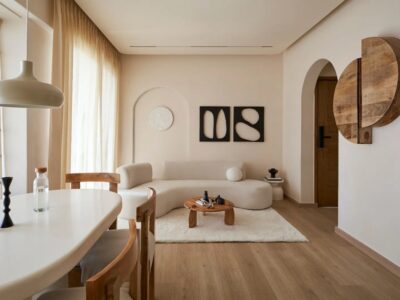
Integrate organic shapes and textures — curved furniture and natural finishes reduce harshness, making a space more inviting.
The visual element in sensory decor doesn’t stand alone; it acts as a conductor, harmonizing with other sensory experiences to create emotional depth.
3. The Auditory Dimension: The Sound of Space
Every environment has a sound, whether intentional or not. In sensory decor, acoustic design becomes a powerful tool. The echo of a large room or the hum of distant traffic can alter how a space feels. Designers are now incorporating soundscaping — the strategic use of auditory elements — to influence mood.
-
Natural sounds like rustling leaves or water fountains introduce tranquility.
-
Soft background music enhances hospitality environments such as cafes or lounges.
-
Acoustic panels and fabric drapes control unwanted noise, improving comfort and focus.
Sound can even define zones within open spaces, subtly guiding the experience without physical barriers.
4. The Tactile Experience: The Power of Touch
Touch is one of the most intimate ways we interact with our surroundings. Sensory decor leverages tactile contrast to create emotional and physical comfort. From a plush rug underfoot to a cool marble countertop, texture diversity stimulates the mind and body.
To elevate touch in design:
-
Combine soft and hard surfaces — velvet cushions with metallic frames or linen upholstery with stone flooring.
-
Use temperature-responsive materials — such as wood or ceramic, to create warmth or coolness.
-
Incorporate handcrafted elements — woven baskets, artisanal ceramics, or hand-carved details to infuse authenticity and character.
A well-balanced tactile environment can make even minimalistic interiors feel richly layered and human.
5. The Olfactory Layer: Scent as a Signature
Smell has the strongest connection to memory and emotion. A room’s scent can completely redefine its atmosphere. Sensory decor often includes aroma zoning, where different scents serve distinct purposes across a home or commercial space.
-
Citrus and mint scents can energize offices or morning areas.
-
Lavender, sandalwood, and vanilla promote relaxation in bedrooms and spas.
-
Woody and earthy fragrances enhance grounding and focus in study or meditation zones.
The trick is subtlety — using natural diffusers, candles, or even scent-infused textiles ensures fragrance complements rather than overwhelms the space.
6. The Gustatory Aspect: Designing for Taste and Ambiance
Taste may seem an unlikely part of decor, but it plays an understated role, especially in hospitality and dining spaces. In sensory design, taste doesn’t refer merely to flavor but to the overall gustatory experience — how visual cues, scents, and textures influence perceived taste.
A well-designed dining area enhances the enjoyment of food through:
-
Color psychology — warm tones like terracotta and mustard stimulate appetite.
-
Lighting design — softer lighting enhances dining intimacy.
-
Material selection — wooden tables and ceramic dinnerware add a tactile warmth that enhances culinary pleasure.
Even in homes, designing dining areas with sensory harmony turns meals into experiences of connection and mindfulness.
7. Integrating Technology with Sensory Decor
Modern sensory design doesn’t reject technology; it refines it. Smart home systems now enable designers to synchronize lighting, sound, and scent to match different moods or times of day. For example:
-
Circadian lighting systems adjust color temperature to mimic natural daylight rhythms.
-
Sound automation creates ambient soundscapes that evolve throughout the day.
-
Smart diffusers release essential oils triggered by specific routines, such as “Relax Mode” or “Focus Mode.”
This integration of sensory design and smart technology enables a level of personalization previously unattainable in interior environments.
8. Psychology and the Science of Multi-Sensory Spaces
Sensory decor isn’t just about aesthetics — it’s deeply rooted in neuroscience. The brain constantly synthesizes sensory inputs, and environments rich in harmonious stimuli can positively affect mood, productivity, and even health. Studies have shown that multisensory environments:
-
Lower stress levels and improve sleep.
-
Enhance creativity and focus.
-
Increase emotional satisfaction with spaces, leading to better quality of life.
Designers who understand these connections can craft spaces that genuinely nurture the human psyche.
9. Future of Sensory Decor
As our world becomes more digital and fast-paced, the craving for grounded, sensory-rich environments grows stronger. The future of interior design will likely embrace sensorial minimalism — spaces that feel abundant not through clutter but through depth of experience. Expect to see more bio-sensory architecture, adaptive sensory lighting, and emotion-responsive design technologies that adjust in real time to human needs. Sensory decor isn’t just a trend; it’s the blueprint for more conscious, human-centered living.
FAQ Section:
1. How is sensory decor different from traditional interior design?
Traditional decor focuses mainly on appearance, while sensory decor considers how a space engages all five senses to enhance emotional well-being.
2. Can sensory design be applied to small spaces?
Absolutely. Even compact rooms can integrate sensory elements like scent, texture, and lighting to create an immersive experience.
3. Is sensory decor expensive to implement?
Not necessarily. Many sensory elements, such as textured fabrics, natural scents, or strategic lighting, can be achieved on a moderate budget.
4. What role does color play in sensory decor?
Colors influence mood and energy. For example, cooler tones calm the mind, while warmer hues stimulate creativity and social interaction.
5. How can sound design improve a home environment?
Soundscaping can reduce noise pollution, enhance relaxation, and create distinct zones within open spaces.
6. Is sensory decor suitable for commercial spaces?
Yes, especially in hospitality, retail, and wellness sectors. Sensory design enhances customer engagement and emotional connection to the brand.
7. What is the best way to begin incorporating sensory decor into a home?
Start by layering sensory elements — soft lighting, natural textures, subtle scents, and soothing sounds — and gradually build harmony among them.
Conclusion
Sensory decor represents a new frontier in interior design — one that recognizes humans as emotional, multisensory beings. By engaging all five senses, designers can craft spaces that not only look stunning but feel alive. This is the future of decor: immersive, intentional, and deeply human-centered.