 By Lee Eugene
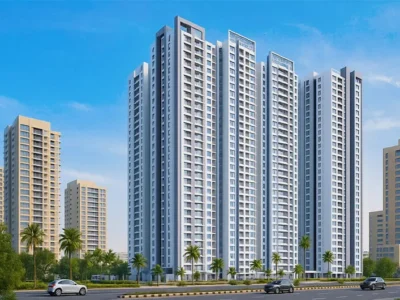
The current urban residential development revolves around functionality and lifestyle assimilation, as opposed to size. Homes are supposed to accommodate work, rest and social needs in a small setting. The case of Tengah Garden Residences and Promenade Peak can demonstrate that, through careful planning, it is possible to change the highly populated urban environment into a comfortable residential area that facilitates the normalisation of everyday life.
The Useful Layouts in Your Everyday Life.
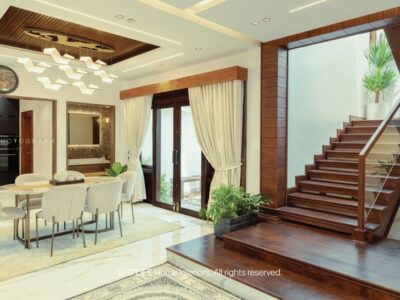
The contemporary residential designs focus on functionality and flexibility. Spaces will be constructed to minimise the wasted space and promote the various activities. As it is shown in Tengah Garden Residences, with effective room planning, residents can easily move and personalise interiors. The layouts accommodate changing lifestyles without necessarily having to expand their footprints; hence they are functional in the long-term urban living requirements.
Introducing Lifestyle in Vertical Living.
The privacy and shared access should be properly balanced in high-rise developments. Promenade Peak offers an idea of how vertical living can be comfortable if circulation and unit orientation are carefully considered. The residents have the advantage of having a smooth flow between their own privacy and shared facilities, which lessens stress but ensures convenience even in the busy urban areas during the day.
Environmental Planning and Everyday Comfort.
Practical residential design has a high involvement of environmental strategies. The use of natural light, ventilation and effective materials increases the level of comfort and minimises energy dependency. Sustainability, as projected by Tengah Garden Residences, facilitates simpler living by providing a calmer and healthier environment, as this is particularly important in high-density urban developments over long durations of time.
Facilities that are modelled after daily necessities.
The residential amenities are becoming more functional-based instead of being luxurious. Promenade Peak incorporates amenities that bring the living areas beyond the units.
- Common lounges assist in relaxation and working.
- Multi-purpose rooms are flexible to changing demands.
- Open spaces bring about a breathing space.
Areas of Community that encourage Balance.
The use of community-oriented design will ensure the residents feel part of a community without compromising on privacy. The Tengah Garden Residences evidences this practice by its common areas that foster natural interaction.
- There are informal seating spots where one can talk.
- Internal walkways should be encouraged.
- Neighbourhood identity is created through common spaces.
Connection, but Not Lifestyle Change.
City developments should be able to strike a balance between accessibility and residential tranquillity. The example of Promenade Peak demonstrates that effective connections with transport and services are possible to co-exist with the quiet interiors. Considerate planning will mean the minimisation of noise and visual disruption, and the residents will be able to have the comfort of the city without being overstimulated every day, which will negatively impact their comfort levels and routine.
Change of Lifestyles Flexibility.
Flexible architecture can be used to make residential areas useful as requirement changes. The Tengah Garden Residences demonstrate flexibility in terms of layouts that can accommodate remote work, family adjustments, or ageing in place. This type of planning eliminates relocation, and this brings stability, which is suitable in terms of accommodating transitioning of life in the same city.
conclusion
Residential advancements that incorporate practicality and integration of lifestyle are the ones that will remain to have long-term value. Through effective layouts, sustainability, and community balance, such undertakings as Tengah Garden Residences and Promenade Peak are examples of how city housing should contribute to people living comfortably and effectively addressing the current urban development and evolving resident demands.